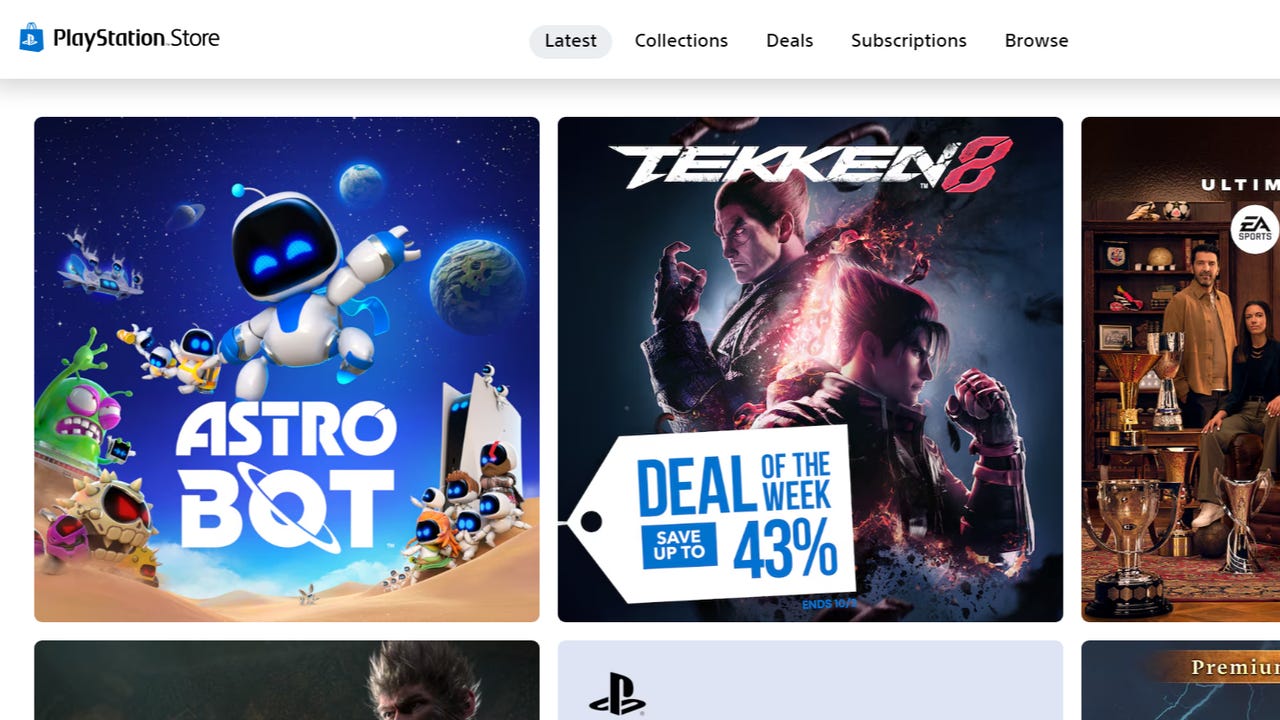
Are You Missing Out? Sony's PS5 Personalized Discounts Revealed
Imagine logging into the PlayStation Store, eager to grab that hot new release, only to discover your friend paid significantly less for the exact same digital game just hours before. While this scenario might sound like a distant worry, recent reports suggest it's becoming a reality for some PlayStation 5 players as Sony reportedly begins experimenting with dynamic pricing and personalized discounts. This groundbreaking shift could fundamentally change how we perceive and purchase digital games, raising both exciting possibilities for gamers and significant questions about transparency and fairness.
For years, the price of a brand-new digital game has been largely consistent across the board. Barring general sales events, you typically paid the same as any other player in your region. However, insights from price tracking websites like PS Prices indicate that Sony is `sony testing pricing` models on the PlayStation Store, introducing a sophisticated system of A/B testing for various titles and tailoring discount offers based on individual user profiles. This isn't just a minor tweak; it's a potential revolution in digital game sales.
The Dawn of Dynamic Pricing: What Sony is Testing
At its core, dynamic pricing is a revenue model where the cost of an item can fluctuate for different users, or even for the same user at different times, based on a multitude of factors. Think airline tickets or hotel rooms – prices shift based on demand, time of purchase, and user data. In the context of the PlayStation Store, this means a game that costs one player €79.99 might appear as €69.99 for another, or even less.
Reports from PS Prices, which has been diligently tracking these "unusual offer structures" since November 2025, reveal that Sony has been A/B testing prices for a substantial catalog of games. This includes high-profile first-party titles like **God of War Ragnarök** and **The Last of Us Part 2**, alongside a wide array of third-party releases. The program, allegedly running under internal identifiers like "IPT_PILOT" and "IPT_OPR_TESTING," reportedly encompasses 139 different games across 68 regions. Notably, these regions do *not* include the United States or Japan, possibly due to stricter regulations and heightened market sensitivity in those territories.
What's particularly interesting, and perhaps reassuring to players *for now*, is that the detected price differences have only shown *decreases*, not increases. These reductions have ranged from 5.3% to a notable 17.9%, offering genuine savings to those in the "test" groups. For instance, **Marvel's Spider-Man 2** and **God of War Ragnarök** were observed going down to €69.99 from their usual €79.99, a 12.5% reduction. Third-party titles like **WWE 2K25** and **Warhammer 40,000: Space Marine 2** have reportedly seen even deeper cuts, at -17.6% and -16.6% respectively.
Unveiling Personalized Discounts: Are You Getting a Better Deal?
Beyond the broad strokes of dynamic pricing, Sony appears to be refining its approach with personalized discounts – offers specifically tailored to individual users. This isn't just about general price fluctuations; it's about showing *you* a different sale percentage than your friend, even during the same promotional period.
A compelling example cited is **Helldivers 2**, the popular extraction shooter. During a reported sale, some users saw the game with a standard 25% discount, while others were surprised with a much more generous 56% off. This suggests a more granular level of targeting, where the system might be analyzing individual player behavior, purchase history, wish list additions, engagement levels, or even how long a game has sat on their "maybe someday" list. If the system detects you're on the fence, a deeper discount might be the final push needed to convert a browser into a buyer.
This sophisticated approach, marked by PS Prices as "Experiment" prices, has reportedly been active for at least three months. It indicates that Sony is delving deep into data analytics to optimize conversion rates and maximize revenue from its vast digital library.
Delving deeper into how these tests work reveals a complex interplay of algorithms designed to find the sweet spot for each potential buyer.
Why Now? Sony's Strategy Behind the Price Shifting
The timing of these pricing experiments isn't coincidental. Sony's CEO has openly communicated to investors the publisher's intention to mitigate slowing PS5 hardware sales by finding innovative ways to further monetize the existing PS5 user base. Dynamic pricing and personalized discounts could be key tools in achieving this mission.
Here’s why this strategy makes sense from Sony's perspective:
* **Higher Digital Margins:** Digital game sales boast significantly higher profit margins for publishers compared to physical copies, which incur manufacturing, distribution, and retail overheads. Encouraging more digital purchases directly boosts profitability.
* **Incentivizing Hesitant Buyers:** A perfectly timed, deeper personalized discount can persuade a user who might otherwise have never spent money on that particular game. By offering a compelling deal, Sony captures revenue that wouldn't have materialized at the standard price, without having to slash prices for everyone.
* **Market Adaptation:** In an increasingly competitive gaming landscape, adapting pricing strategies to real-time market conditions and individual consumer behavior allows for greater flexibility and responsiveness.
* **Data-Driven Optimization:** By running these A/B tests, Sony gathers invaluable data on price elasticity and consumer response. This helps them understand what price points maximize both sales volume and revenue for different games and different user segments.
While the primary goal is clearly monetization, these experiments, so far, have exclusively favored players by offering price reductions. This cautious approach likely aims to test the waters and gather data without immediately alienating the community.
Navigating the New Landscape: What This Means for Players
For PlayStation players, this evolving pricing model presents a mixed bag of opportunities and concerns.
The Potential Benefits:
- Unexpected Savings: Players in the test groups have enjoyed genuine, deeper discounts on popular titles, saving real money.
- Potential for Better Deals: If implemented widely and fairly, this system could mean more frequent and significant sales tailored to your interests, moving beyond generic seasonal promotions.
The Lingering Concerns:
- Lack of Transparency: This is arguably the biggest worry. The idea that your friend might pay significantly less for the same game you just bought at full price can lead to frustration, resentment, and a feeling of being unfairly treated.
- Fear of Future Price Hikes: While the current tests only show reductions, the underlying mechanism of dynamic pricing inherently allows for prices to go up as well. Players fear that once established, this system could be used to extract more money from those perceived to be less price-sensitive or more eager buyers.
- Erosion of Trust: A lack of clear communication from Sony regarding these tests could damage consumer trust, especially if players feel they are being manipulated by opaque pricing algorithms. Understanding the user concerns further highlights this crucial aspect.
Practical Tips for Players in a Dynamic Pricing World:
- Don't Impulse Buy: Before making a significant digital purchase, especially for a game you've been eyeing, take a moment. Compare prices with friends, check online communities, or even consider waiting a few days to see if a personalized offer appears.
- Utilize Price Tracking Websites: Sites like PS Prices are invaluable. They track historical pricing and, crucially, are the ones bringing these dynamic pricing experiments to light. Keep an eye on them to understand typical sale patterns and potential anomalies.
- Use Your Wishlist: Sometimes, discounts are strategically offered on items you've shown interest in. Adding games to your wishlist could potentially flag you for a personalized offer down the line.
- Stay Informed: Keep an eye on gaming news outlets for updates on Sony's pricing strategies and any official communications from the company (though they have yet to comment on these reports).
Conclusion
Sony's reported move into dynamic pricing and personalized discounts represents a significant shift in the digital gaming landscape. As Sony continues `sony testing pricing` methods, it walks a fine line between maximizing revenue and maintaining consumer trust. While the promise of deeper, more frequent discounts is appealing for players, the lack of transparency surrounding these experiments is a valid concern that Sony will eventually need to address. The success and widespread implementation of this model will undoubtedly hinge on how Sony balances its financial objectives with the player experience. For now, staying informed and being a savvy shopper are your best defenses in this evolving world of personalized game prices.