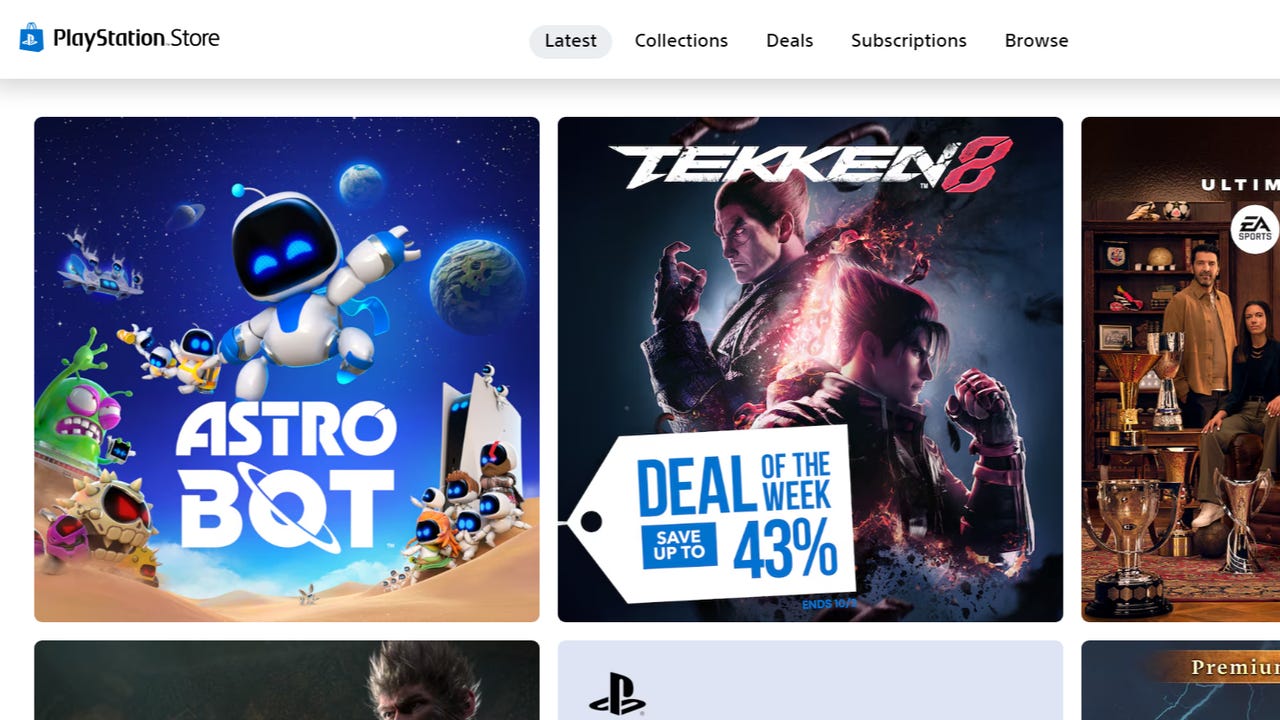
Sony Testing Pricing Models: The PS5's Dynamic Digital Frontier Unveiled
For years, the world of video game pricing has been relatively straightforward: a new game launches at a set price, and it remains there until a scheduled sale or permanent price drop. However, the landscape of digital commerce is constantly evolving, and it appears Sony is actively exploring new strategies. Reports have emerged detailing how Sony testing pricing models for its digital PlayStation 5 (PS5) games, specifically through dynamic pricing and personalized discounts. This groundbreaking experiment could redefine how players purchase titles on the PlayStation Store, offering potential benefits for some while raising significant concerns among the wider gaming community.
At the heart of this shift is the concept of dynamic pricing, a revenue model common in industries like airlines and e-commerce, where the cost of an item can fluctuate based on various factors and even differ for individual users. While the current findings show only price reductions, the implications of such a system for the future of gaming are vast and complex.
What Are Dynamic Pricing and Personalized Discounts on the PlayStation Store?
Dynamic pricing, in essence, is the practice of adjusting the price of a product or service in real-time based on market demand, competitor pricing, customer behavior, and other variables. In Sony's reported implementation, this manifests as A/B testing, where different users are shown varying prices for the same game. According to price tracking websites, Sony has been conducting these tests across 68 regions, notably excluding the United States and Japan, for a program allegedly encompassing 139 different games.
Key titles, including first-party blockbusters like God of War Ragnarök and The Last of Us Part 2, as well as Marvel's Spider-Man 2, have been part of this experiment. Price differences observed range from 5.3% to a notable 17.9% reduction. For instance, some users have seen games like God of War Ragnarök drop from €79.99 to €69.99, a 12.5% decrease. Third-party titles like WWE 2K25 and Warhammer 40,000: Space Marine 2 have also seen significant reductions of 17.6% and 16.6% respectively.
Beyond blanket dynamic price changes, Sony also appears to be testing personalized discounts. This means some users are shown steeper sale prices than others for the same game at the same time. A prime example cited is Helldivers 2, where some players saw the standard 25% discount while others were offered a generous 56% off. This particular experiment has reportedly been running for at least three months, hinting at Sony's prolonged interest in tailored promotional strategies.
These trials are reportedly linked to internal programs identified as "IPT_PILOT" and "IPT_OPR_TESTING" within PlayStation API responses, indicating sophisticated A/B testing methodologies. For a deeper dive into how these tests are structured, you can learn more about Inside Sony's PS5 Game Pricing Experiment: How Discounts Are Tested.
Beyond Discounts: The Wider Implications and User Concerns
While the current iteration of Sony testing pricing models has only resulted in price decreases for users within the test groups, the initiative has nonetheless sparked considerable apprehension among PlayStation fans. The primary fear revolves around the potential for dynamic pricing to be used in the opposite direction – to increase prices for certain users in the future. The lack of transparency surrounding who is in a test group and why they are seeing different prices is a significant point of contention. Imagine purchasing a game only to discover a friend paid significantly less for the exact same digital product moments later; such a scenario could erode consumer trust.
This concern is further amplified by recent statements from Sony's CEO to investors, outlining an intention to mitigate slowing PS5 hardware sales by exploring new avenues to monetize the existing PS5 user base. Dynamic pricing, especially if it evolves to include price hikes for certain segments, could indeed serve this mission by optimizing revenue per user. Digital sales already boast higher profit margins than physical game sales, and a perfectly timed, personalized discount could persuade a hesitant buyer to make a purchase they otherwise wouldn't have, benefiting Sony without a universal price increase.
However, the ethical tightrope Sony walks is precarious. If dynamic pricing moves beyond discounts, it risks fostering a sense of unfairness, potentially alienating loyal customers who feel exploited. The video game community often values equity and transparency, and any perceived attempts to "squeeze more money" out of players could lead to significant backlash. To understand more about how these personalized discounts might impact you, explore Are You Missing Out? Sony's PS5 Personalized Discounts Revealed.
Navigating the New Digital Frontier: Tips for Gamers
As Sony continues its experiment with dynamic pricing, gamers need to be more aware and strategic about their purchases. Here are some practical tips to navigate this evolving digital landscape:
- Stay Informed with Price Trackers: Websites like PSprices (which initially uncovered these tests) and other price aggregators are invaluable. Add games to your watchlist to receive notifications about price changes.
- Exercise Patience: If a game isn't an absolute must-have on day one, consider waiting. Dynamic pricing could mean a better deal is around the corner for you.
- Engage with the Community: Discuss game prices with friends and online communities (forums, Reddit, Discord). If you're seeing a price that seems unusually high or low, comparing notes with others can provide crucial insights into whether you're part of a test group.
- Utilize Your Wishlist: Most digital storefronts, including the PlayStation Store, allow you to wishlist games. This can sometimes trigger personalized notifications for sales or even dynamic discounts.
- Consider Physical Copies: For some, the predictability and potential resale value of physical games might become more appealing if digital pricing becomes too opaque or variable.
- Provide Feedback: If you encounter pricing you believe is unfair or confusing, make your voice heard through official channels. Consumer feedback can influence company policies.
The Future of PS5 Game Pricing: A Balancing Act
Sony's venture into dynamic and personalized pricing models represents a significant strategic move in its effort to further monetize the substantial PS5 user base. The company clearly sees the potential for increased revenue through optimized digital sales, leveraging data to offer the "right price" to the "right customer" at the "right time." This approach could lead to higher conversion rates for digital titles and a boost in overall software revenue, especially given the higher margins associated with digital distribution.
However, this strategy is a delicate balancing act. While the current tests are confined to price reductions and outside major markets like the US and Japan (likely due to stricter regulations and higher market sensitivity), the long-term intent and potential evolution of these models are what concern consumers most. The lack of transparency is a critical hurdle Sony must address if it hopes to implement such a system broadly without significant backlash. Building consumer trust will be paramount, requiring clear communication about how pricing is determined and how users might benefit.
The success or failure of Sony testing pricing models could also have ripple effects across the entire gaming industry. If Sony finds a way to implement dynamic pricing successfully and ethically, other platforms might follow suit, leading to a new era of variable game costs. Conversely, a misstep could set a negative precedent, damaging consumer relations and potentially inviting regulatory scrutiny.
Conclusion
Sony's ongoing experimentation with dynamic pricing and personalized discounts for PS5 digital games marks a significant shift in the digital storefront landscape. While currently observed as beneficial price reductions for select users in various regions, the underlying mechanisms raise valid questions about future pricing strategies, consumer transparency, and fairness. As Sony seeks to optimize revenue from its existing PS5 ecosystem, the company faces the challenge of maximizing profit without alienating its dedicated player base. For gamers, staying informed, being patient, and engaging with the community will be key to navigating this evolving digital marketplace, ensuring they make the most informed purchasing decisions in an era where game prices might no longer be a fixed, universal constant.